1970s Fashion: Timeless Trends That Redefined Personal Style
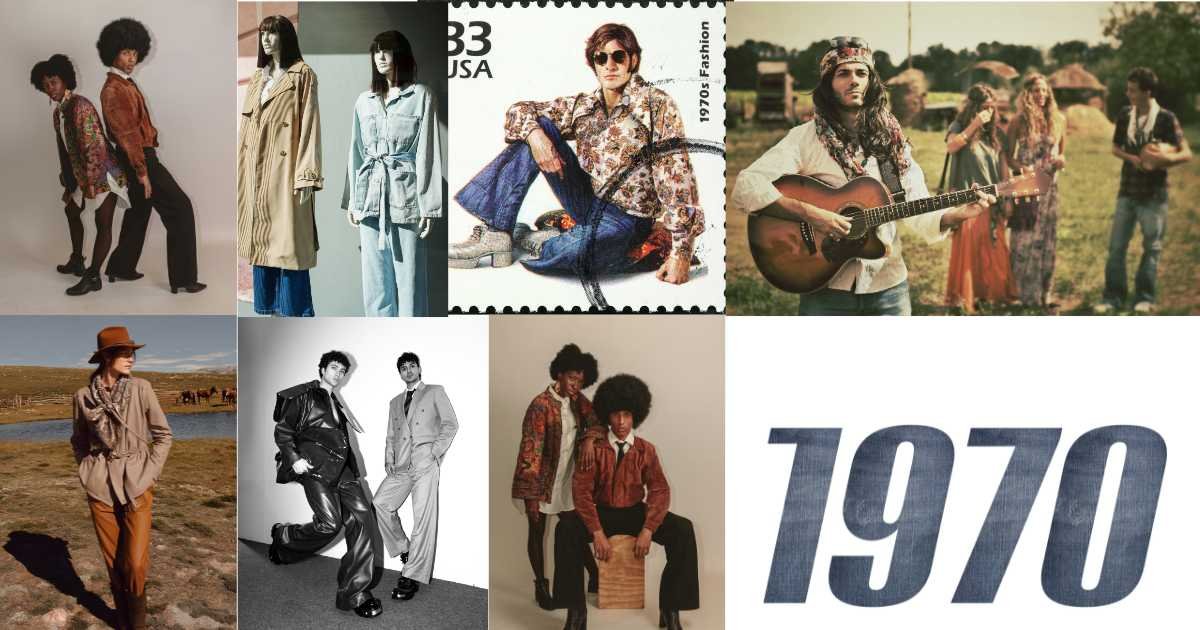
The 1970s was not simply a decade of fashion—it was a cultural revolution that reshaped how people viewed clothing, beauty, and personal identity. Unlike earlier eras that promoted uniform trends, the seventies introduced a radical idea: fashion should reflect who you are, not who society expects you to be. This shift changed the fashion industry permanently and laid the foundation for modern style as we know it today.
Want to explore similar topics? Our blog section is full of related insights and tips. Browse here.
Fashion Beyond Clothing: A Lifestyle Statement
In the 1970s, fashion became closely tied to lifestyle choices. What people wore communicated their beliefs, music taste, political views, and attitude toward life. Clothing was no longer just decorative—it was symbolic. This decade blurred the lines between fashion, art, and culture, allowing people to use style as a form of storytelling.
Breaking the Rules of Traditional Fashion
Before the 1970s, fashion often followed strict silhouettes and social expectations. The seventies challenged these ideas by rejecting rigid tailoring and embracing freedom of movement. Designers and everyday people alike experimented with shapes, lengths, and textures. Gender-neutral styles, casual wear as daily fashion, and mixing luxury with handmade pieces became widely accepted.
The Evolution of Silhouettes in the 1970s
Silhouettes during the 1970s reflected balance—bold yet wearable. Designers focused on creating shapes that felt expressive without being restrictive. High-waisted trousers, wide legs, flowing skirts, and relaxed tops dominated wardrobes.
Key Silhouette Innovations of the 1970s
| Silhouette | Purpose | Influence Today |
|---|---|---|
| Flared legs | Visual balance | Modern retro denim |
| Maxi lengths | Comfort & elegance | Resort & boho wear |
| Loose tailoring | Freedom of movement | Oversized fashion |
| Adjustable wraps | Inclusive sizing | Sustainable fashion |
Bohemian Style: Fashion Rooted in Freedom
Bohemian fashion was not just a trend—it was a mindset. Inspired by travel, nature, and global cultures, boho fashion rejected mass production and celebrated craftsmanship. Natural fibers, hand embroidery, and layered clothing became symbols of authenticity.
Color as Emotional Expression
Color in the 1970s carried emotional meaning. Earth tones reflected grounding and connection to nature, while vibrant hues expressed optimism and rebellion. Fashion designers used color to evoke mood rather than follow seasonal rules.
The Visual Language of 1970s Fashion
| Element | Meaning |
|---|---|
| Earth tones | Stability & warmth |
| Bold hues | Confidence & energy |
| Mixed prints | Creative freedom |
| Rich textures | Sensory experience |
Footwear as an Expression of Power
Footwear in the 1970s played a symbolic role. Platform shoes were not just fashionable—they represented confidence and presence. Wearing bold footwear was a way of occupying space and standing out during a time when fashion was becoming more inclusive.
Read more related topic: 1950s Men’s Fashion
Accessories and the Art of Personal Styling
Accessories in the 1970s transformed outfits into personal statements. Rather than following minimal trends, people layered jewelry, scarves, belts, and eyewear to create unique identities. Accessories allowed creativity without requiring a complete wardrobe overhaul.
Denim as a Cultural Icon
The 1970s elevated denim from practicality to personality. Jeans were customized, flared, embroidered, and distressed. Denim symbolized youth, rebellion, and self-expression, setting the foundation for today’s vintage and customized denim trends.
Beauty Trends That Celebrated Authenticity
Hair and makeup in the 1970s emphasized natural beauty. Natural textures, volume, and minimal makeup reflected confidence rather than perfection. This philosophy strongly influences modern beauty movements focused on realism and inclusivity.
Pop Culture and Fashion Influence
Musicians, actors, and public figures shaped fashion choices throughout the 1970s. Their bold fashion choices normalized experimentation and inspired people to explore new styles. This era laid the foundation for celebrity-driven fashion culture seen today.
How the 1970s Continue to Shape Modern Fashion
Modern designers revisit the 1970s to reinterpret its values. Relaxed tailoring, expressive accessories, and textured fabrics are updated with contemporary cuts and sustainable practices, keeping the era relevant.
The Enduring Philosophy of 1970s Fashion
The greatest legacy of the 1970s is its philosophy: fashion should be personal, comfort should enhance confidence, and creativity should have no boundaries. These principles ensure the decade’s lasting influence.
Conclusion
The 1970s transformed fashion into a powerful tool of self-expression. By rejecting rigid norms and embracing creativity, the decade redefined style itself. Its influence continues because it speaks to a universal desire—to dress authentically and confidently.
FAQs
1. Why is 1970s fashion considered timeless?
Because it prioritizes individuality, comfort, and creativity rather than temporary trends.
2. How did the 1970s change fashion culture?
It shifted fashion from conformity to personal expression.
3. Can 70s fashion be adapted for modern wear?
Yes, through silhouettes, textures, and subtle styling choices.
4. What makes 1970s fashion unique?
Its cultural depth, inclusivity, and emotional connection to clothing.
5. Why do designers still draw inspiration from the 1970s?
Because the era represents freedom, authenticity, and timeless creativity.
Your journey doesn’t have to end here—continue exploring a variety of content on our homepage. Explore now.