Do Alec and Kaleb Get Paid for Commercials? Full Explained
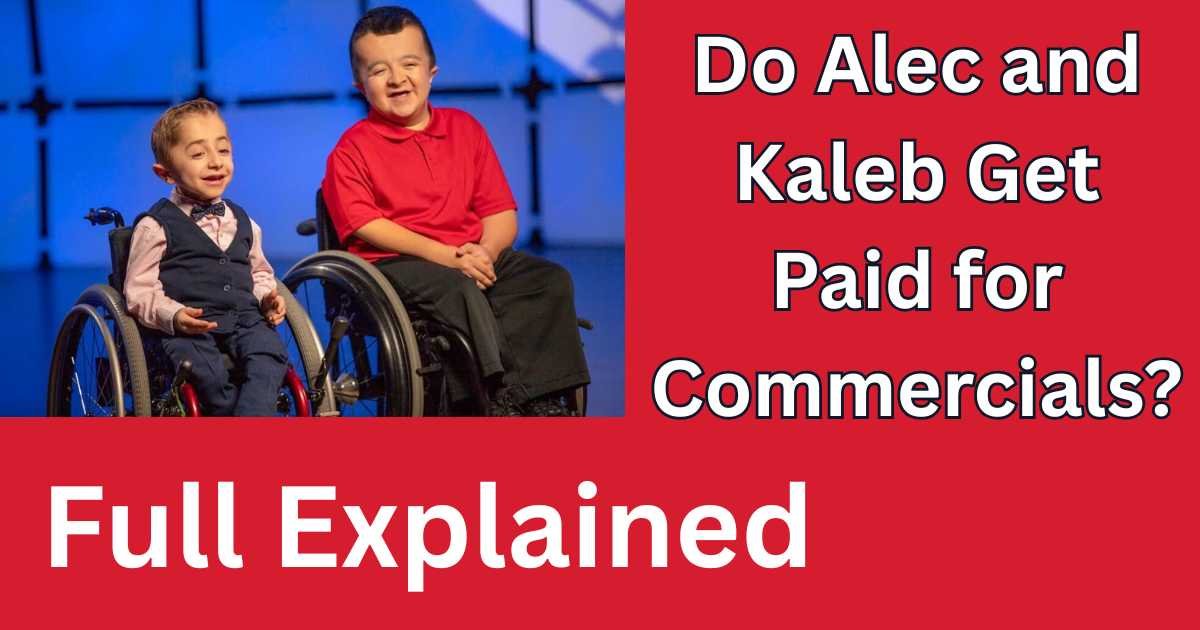
Shriners Hospitals for Children is recognized worldwide for providing specialized pediatric healthcare regardless of a family’s ability to pay. Alongside its medical mission, the organization has become equally known for its emotionally powerful television campaigns. At the center of these campaigns are two inspiring individuals—Alec Cabacungan and Kaleb-Wolf De Melo Torres—whose genuine presence has resonated with millions of viewers.
Because these commercials are aired nationally and contribute significantly to fundraising efforts, many people reasonably ask whether Alec and Kaleb are financially compensated for their appearances or if their participation is entirely voluntary. This article offers a detailed, original, and balanced examination of that question while also exploring their personal journeys, medical condition, public influence, and broader social impact.
Don’t stop here—there’s plenty more to explore in our blog section. Check it out now.
Why Shriners Hospitals Built Its Campaigns Around Real Patients
Shriners Hospitals does not advertise products; it communicates trust, care, and long-term commitment. For a nonprofit organization, authenticity is essential. That is why Shriners deliberately chose to feature real patients instead of professional actors.
Alec and Kaleb were selected because they could speak honestly and confidently about their experiences, helping audiences understand complex medical realities in a relatable way.
What Makes Their Representation Effective
- They speak from lived experience rather than scripts
- Their stories reflect long-term medical outcomes
- They connect emotionally without exaggeration
- They present disability through strength and confidence
Their participation reinforces public trust in Shriners Hospitals and reassures families seeking care.
Do Alec and Kaleb Receive Payment for Shriners Commercials?
Shriners Hospitals for Children operates as a nonprofit organization, meaning its financial practices must align with ethical and regulatory standards. Unlike commercial advertising, nonprofits rarely rely on traditional acting contracts, particularly when featuring real patients.
Shriners has never publicly disclosed specific compensation details. However, based on established nonprofit practices, it is reasonable to conclude that Alec and Kaleb receive structured support rather than standard acting salaries.
Common Forms of Nonprofit Compensation
| Support Area | Purpose |
|---|---|
| Travel and lodging | Required for filming and appearances |
| Stipends or honorariums | Recognition of time and effort |
| Continued medical care | Essential long-term healthcare |
| Education and training | Media and communication skills |
| Advocacy opportunities | Personal and professional development |
This model ensures fairness while preserving nonprofit integrity.
Compensation Extends Beyond Direct Payment
For Alec and Kaleb, the value of their involvement goes far beyond immediate financial compensation. Their visibility has created long-term opportunities that can shape their futures.
Indirect Benefits of Public Advocacy
- Paid speaking engagements
- National media interviews
- Advocacy partnerships
- Early development of personal brands
These benefits often provide greater long-term value than short-term payments.
Estimated Financial Standing
Exact financial figures are private and unverified. However, estimates based on public appearances, speaking engagements, and media involvement provide a general picture.
Estimated Overview (2025)
| Name | Estimated Range | Basis |
|---|---|---|
| Alec Cabacungan | $1M – $1.5M | Media exposure, speaking, advocacy |
| Kaleb-Wolf De Melo Torres | $1M – $2M | Public appearances, partnerships |
These figures represent estimated opportunity value rather than confirmed income.
Alec Cabacungan: Education and Career Development
Alec’s journey stands out because of his clear focus on independence and professional growth. Despite experiencing more than sixty bone fractures, he has remained committed to education and self-development.
He is pursuing studies in sports broadcasting and journalism, regularly appearing in media interviews and public events. His communication skills and lived experience position him for long-term success beyond nonprofit advocacy.
Kaleb-Wolf De Melo Torres: Youthful Influence and Future Potential
Kaleb’s influence is amplified by his age and emotional openness. His ability to communicate honestly resonates strongly with families and younger audiences.
His advocacy work represents youth within the disability community and may eventually evolve into leadership, media involvement, or continued nonprofit engagement as he grows older.
Age and Background Snapshot
| Individual | Birth Year | Age in 2025 |
|---|---|---|
| Alec Cabacungan | 2002 | 23 |
| Kaleb-Wolf De Melo Torres | 2009 | 16 |
Their early involvement in national advocacy highlights maturity and resilience beyond their years.
Living With Osteogenesis Imperfecta
Both Alec and Kaleb were born with osteogenesis imperfecta, a rare genetic condition that affects collagen production and causes fragile bones.
Common Challenges of Osteogenesis Imperfecta
- High risk of fractures
- Multiple surgeries over a lifetime
- Mobility limitations
- Ongoing medical care
Despite these challenges, both individuals lead active, influential lives and challenge misconceptions surrounding disability.
Impact Beyond Fundraising
The influence of Alec and Kaleb extends well beyond donations raised through commercials.
Their Broader Contribution
- Increased awareness of rare medical conditions
- Reduced stigma surrounding physical disability
- Greater trust in nonprofit healthcare
- Inspiration for children facing long-term illness
They help redefine how disability is represented in mainstream media.
Final
While Alec Cabacungan and Kaleb-Wolf De Melo Torres are unlikely to receive traditional acting salaries, it is reasonable to conclude that they receive ethical support, structured compensation, and long-term opportunities consistent with nonprofit standards. More importantly, their influence goes far beyond financial value.
Their stories demonstrate that true impact is measured in awareness, representation, and hope.
FAQs
Are Alec and Kaleb actors?
No. They are real patients sharing their real-life experiences.
Do they receive compensation for commercials?
Specific details are private, but structured nonprofit support is standard practice.
What condition do they have?
Osteogenesis imperfecta, commonly known as brittle bone disease.
Are they still associated with Shriners Hospitals?
Yes, both remain involved through advocacy and public engagement.
Disclaimer
The information provided in this article is for general informational purposes only. The details regarding Alec Cabacungan and Kaleb-Wolf De Melo Torres’ involvement with Shriners Hospitals for Children, their compensation, and personal stories are based on publicly available sources and estimates. Shriners Hospitals has not publicly disclosed specific compensation details. The views expressed in this article are those of the author and do not reflect the official position of Shriners Hospitals for Children. For the most accurate and up-to-date information, please refer to official statements from Shriners Hospitals.
Discover more opportunities to expand your knowledge by visiting our homepage. Start here.