Bed Bugs in Cold Weather: Do They Die in Winter? Guide 2026
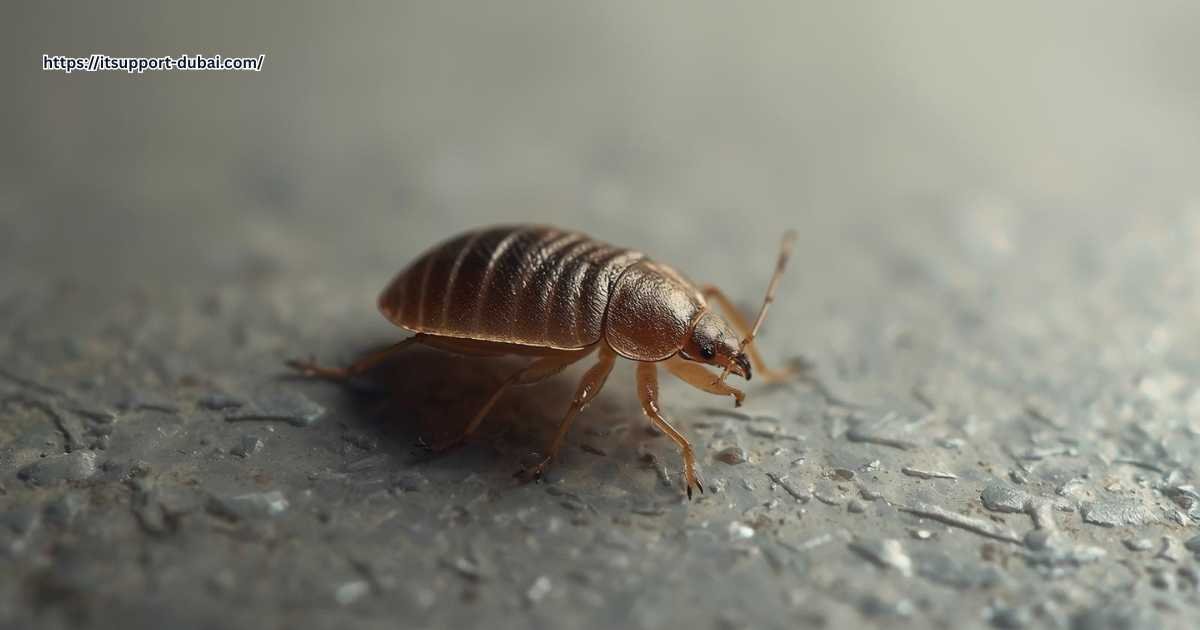
Cold weather is often misunderstood as a natural solution for pest problems. Many homeowners assume that freezing temperatures will automatically kill bed bugs and end infestations without intervention. While this idea seems logical, it does not reflect how bed bugs actually survive. These pests are not seasonal insects that disappear with temperature changes. Instead, they are highly adaptable indoor parasites that have developed survival strategies allowing them to endure cold conditions with ease.
Rather than eliminating bed bugs, winter often creates conditions that allow infestations to remain hidden, spread quietly, and reappear stronger once temperatures rise.
Craving more related posts? Our blog section is where you’ll find all the latest and most relevant content. Explore here.
Bed Bugs Are Human-Dependent Pests
One of the most important reasons bed bugs survive winter is their close dependence on humans. Unlike insects that rely on outdoor environments, bed bugs live almost entirely indoors.
Their survival depends on:
- Stable indoor temperatures
- Access to human hosts
- Hidden, insulated resting places
Because homes remain heated during winter, bed bugs are largely unaffected by outdoor cold.
How Bed Bugs Physically Respond to Cold
Cold weather does influence bed bugs, but in subtle and non-lethal ways.
Physiological Changes in Cold Conditions
When temperatures drop:
- Their metabolism slows to conserve energy
- Movement decreases significantly
- Feeding frequency is reduced
- Growth and reproduction pause temporarily
These changes help bed bugs survive unfavorable conditions rather than die from them.
Temperature Thresholds and Bed Bug Survival
Not all cold temperatures affect bed bugs equally.
| Temperature Exposure | Survival Outcome |
|---|---|
| Cool indoor temperatures | Slower activity |
| Near-freezing | Survival for extended periods |
| Fluctuating freezing | Often survive |
| Continuous extreme freezing | Fatal after several days |
To be lethal, cold exposure must be both extreme and uninterrupted—a condition rarely found in real homes.
Read More: Speciering: How Natural Selection Shapes New Species
Dormancy: A Powerful Survival Mechanism
When exposed to prolonged cold, bed bugs enter a dormant state that allows them to survive without feeding.
Why Dormancy Is So Effective
- Energy consumption drops dramatically
- Bed bugs can survive months without blood meals
- They remain deeply hidden and difficult to detect
- Infestations appear inactive but are not gone
This is why many people mistakenly believe winter has solved the problem—only to face a resurgence later.
Indoor Heating Neutralizes Winter’s Impact
Modern homes unintentionally protect bed bugs.
Key Indoor Factors
- Central heating keeps temperatures stable
- Mattresses, couches, and walls trap warmth
- Human presence guarantees food access
Even brief exposure to warmth can revive dormant bed bugs, allowing them to resume feeding and reproduction.
Why Winter Makes Bed Bugs Harder to Detect
Cold weather does not reduce infestations—it hides them.
During winter:
- Bed bugs bite less frequently
- Symptoms may be mistaken for dry skin or allergies
- Visual signs are harder to notice
This delayed detection allows infestations to grow unnoticed, making treatment more difficult later.
Human Behavior in Winter Increases Risk
Winter habits play a major role in bed bug spread.
| Winter Behavior | Impact |
|---|---|
| Holiday travel | Bed bugs hitchhike in luggage |
| Indoor gatherings | Belongings spread pests |
| Shared housing | Faster unit-to-unit spread |
| Reduced cleaning | Hidden infestations persist |
Because bed bugs spread through human movement, winter travel and social activity often accelerate infestations.
Seasonal Patterns Seen by Pest Professionals
Pest control data consistently shows:
- Rising activity in fall
- Hidden population growth in early winter
- Sharp increases after holiday travel
Multi-family buildings experience the highest risk due to shared infrastructure and close living conditions.
Why Natural Cold Cannot Be Used as a Control Method
Even in extreme climates, bed bugs avoid lethal temperatures by hiding in insulated areas such as:
- Mattress seams
- Upholstered furniture
- Wall voids and outlets
- Clothing and stored items
Natural cold is inconsistent and unreliable, making it ineffective as a control strategy.
Effective Winter Prevention Requires Awareness
Because bed bugs do not die off naturally, prevention must be active.
Smart Travel Habits
- Inspect sleeping areas when traveling
- Keep luggage sealed and elevated
- Heat-dry clothing immediately after trips
Routine Home Monitoring
- Inspect beds, furniture, and baseboards
- Reduce clutter that provides hiding spots
- Use monitoring tools for early detection
Early action prevents infestations from becoming widespread.
Why Preventative Treatment Is the Most Reliable Option
Preventative pest control is far more effective than waiting for visible signs.
Benefits of Early Treatment
- Stops infestations before they grow
- Reduces long-term costs
- Prevents spread to nearby units
- Protects homes year-round
Professional treatments target all life stages, including eggs—something cold weather cannot accomplish.
The Winter Myth Fully Disproved
Cold weather does not eliminate bed bugs. It only slows their activity and pushes them deeper into hiding. Their ability to survive without feeding, adapt to indoor warmth, and spread through human movement allows infestations to persist throughout winter.
The only reliable solution is a proactive approach that combines education, prevention, and professional control methods.
FAQs
Do bed bugs die naturally in winter?
No. They survive by hiding indoors and conserving energy.
How cold does it need to be to kill bed bugs?
Below −18°C (0°F) for several continuous days.
Are bed bugs completely inactive in winter?
No. They may feed less often but remain alive and capable of spreading.
Is winter a good time for bed bug control?
Yes. Early winter treatment prevents large infestations later.
Can bed bugs survive long periods without feeding?
Yes. They can survive for months by slowing their metabolism.
Disclaimer
The information provided in this article is for general educational purposes only. While every effort has been made to ensure accuracy, results may vary depending on the severity of the infestation and individual circumstances. Bed bug behavior and survival in cold weather can differ in various environments. For the most effective pest control, it is recommended to consult a professional pest control service. The author and publisher are not responsible for any outcomes based on the use of this information.
Ready to dive deeper into everything we offer? Head over to our homepage for more amazing insights and resources. Visit us here.