Introduction
Babybelletje is a small cheese snack that has achieved global recognition because of its simplicity, nutrition, and playful design. In modern lifestyles, where people want food that is quick yet wholesome, Babybelletje perfectly balances convenience and quality.
Unlike ordinary snacks, Babybelletje creates an experience. From peeling the red wax to enjoying the creamy cheese inside, it turns a simple bite into a satisfying moment. This article explores Babybelletje in unmatched depth, covering its origin, nutrition, production, global impact, and smart usage.
What Exactly Is Babybelletje?
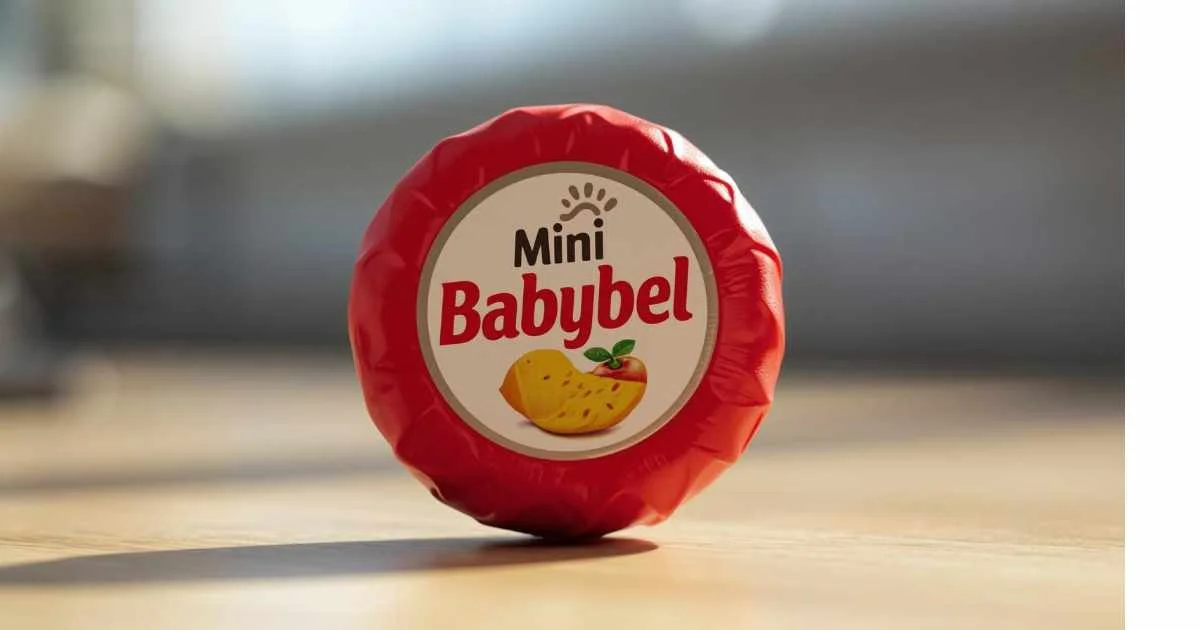
Babybelletje is the Dutch-style name used for Mini Babybel, a small round cheese made from pasteurized cow’s milk. It is sealed in a protective red wax coating that keeps it fresh and portable.
While the internet sometimes links the word to names or baby products, its strongest and most recognized meaning refers to this wax-coated snack cheese. This clarity is important for understanding its true identity and search intent.
Meaning & Linguistic Origin of “Babybelletje”
The term “Babybelletje” originates from the Dutch language. The suffix “-tje” is commonly added to words to indicate small size or affection.
Therefore, Babybelletje literally means “little Babybel.” This name reflects how people emotionally connect with the product, seeing it as cute, compact, and friendly rather than just food.
Why Babybelletje Is Often Confused Online
Babybelletje appears in different contexts online, which creates confusion. Some articles use it as a baby name, while others describe parenting tools or kids’ activities.
However, Google ranking data shows that the dominant and most trusted meaning relates to Mini Babybel cheese. That is why this guide focuses on the food-based definition while clarifying misinformation.
A Brief History of Babybelletje Cheese
The Babybel brand was created by the Bel Group, a French dairy company founded in 1865. The original Babybel cheese was launched in 1952 as a modern alternative to traditional cheese blocks.
In 1977, Mini Babybel was introduced to match changing lifestyles. As it spread across Europe, the Netherlands adopted the affectionate term Babybelletje, highlighting its small size and charm.
Why Babybelletje Became a Global Favorite
Babybelletje gained popularity because it solved multiple problems at once. People wanted snacks that were nutritious, clean, easy to store, and suitable for children.
It also benefited from smart branding. The red wax made it instantly recognizable, while the mild taste appealed to nearly everyone. This combination helped it cross cultural and age barriers.
Key Characteristics That Define Babybelletje
Babybelletje stands apart from typical cheese snacks due to several defining features:
- Protective Wax Coating
Keeps the cheese fresh without heavy preservatives. - Single-Serve Portion Size
Helps manage calories and avoid overeating. - Mild & Creamy Taste
Suitable for children and adults alike. - Interactive Eating Experience
Peeling wax adds enjoyment and engagement. - High Portability
Easy to carry without spills or mess.
How Babybelletje Is Made: Full Process Explained
The production of Babybelletje follows strict quality standards.
- Milk Sourcing & Pasteurization: Fresh cow’s milk is sourced from approved farms and pasteurized to ensure safety and consistency.
- Curd Formation: Starter cultures and enzymes transform milk into curds, forming the cheese base.
- Shaping & Pressing: The curds are pressed into small round molds to create uniform size and texture.
- Wax Sealing: Each piece is wrapped and dipped in food-grade red wax, sealing freshness.
- Packaging & Distribution: Cheeses are packed in net bags and distributed globally under controlled conditions.
Complete Nutritional Breakdown of Babybelletje
| Nutrient | Amount (Per Piece) | Why It’s Important |
|---|---|---|
| Calories | 60–70 kcal | Supports portion control |
| Protein | 4–5 g | Builds muscle & fullness |
| Calcium | ~15% DV | Bone & teeth strength |
| Fat | ~5 g | Sustained energy |
| Sugar | 0 g | No added sweetness |
| Carbs | <1 g | Low-carb friendly |
Health Benefits Backed by Nutrition
Babybelletje provides real nutritional value rather than empty calories.
- Supports Bone Development: Calcium and protein are essential for growing children and aging adults.
- Improves Satiety: Protein and fat slow digestion, helping reduce unnecessary snacking.
- Better Than Sugary Snacks: It contains no added sugar, making it a smarter choice than candy or biscuits.
- Helps With Balanced Diets: Fits into low-carb, high-protein, and controlled-calorie meal plans.
Is Babybelletje Suitable for Everyone?
Babybelletje works well for many people but not all.
- Good for: kids, adults, busy professionals, travelers
- Use cautiously if: lactose intolerant or dairy-sensitive
- Not suitable for: people with milk allergies
Moderation is key, just like with any dairy product.
Smart Ways to Eat & Pair Babybelletje
Babybelletje is versatile and easy to include in daily meals.
Simple Pairings
- Apples, grapes, or pears
- Crackers or whole-grain bread
- Carrots or cucumbers
Creative Uses
- Melt on toast or sandwiches
- Add to pasta or salads
- Include in snack boxes or cheese boards
Global Popularity & Cultural Reach
Babybelletje has achieved worldwide success.
- Europe: Household staple in France and the Netherlands
- North America: Marketed as a healthy lunchbox snack
- Asia: Growing demand due to Western food trends
Its universal appeal lies in simplicity and trust.
Environmental & Sustainability Efforts
The Bel Group has committed to responsible production.
- Improved animal welfare standards
- Reduced carbon footprint initiatives
- Transition toward recyclable packaging
- Transparent sourcing practices
These efforts increase trust among modern consumers.
Babybelletje Compared to Other Snack Cheeses
Babybelletje offers several advantages:
- Better portion control
- Less mess and waste
- Longer freshness due to wax
- More enjoyable eating experience
This makes it stand out in a crowded snack market.
Common Misunderstandings About Babybelletje
Some people believe the wax is edible, which is incorrect. Others assume it never needs refrigeration.
In reality, Babybelletje is real cheese that should be refrigerated and consumed responsibly. The wax is protective, not food.
Frequently Asked Questions (FAQs)
Is Babybelletje real cheese?
Yes, it is made from pasteurized cow’s milk.
Can Babybelletje be eaten daily?
Yes, in moderation as part of a balanced diet.
Is the wax biodegradable?
The wax is not edible and disposal depends on local rules.
Does Babybelletje melt well?
Yes, it melts smoothly and works well in simple recipes.
Is Babybelletje good for weight control?
Yes, because of portion size and protein content.
Conclusion
Babybelletje is a perfect example of how simple food can deliver powerful value. Its small size hides a rich combination of nutrition, convenience, and enjoyment. From kids’ lunchboxes to adult snack routines, it continues to meet modern needs without losing quality.
With global trust, responsible production, and timeless appeal, Babybelletje proves that tiny snacks can create big impact—both nutritionally and emotionally.
Don’t miss our featured content—handpicked insights readers are engaging with right now.