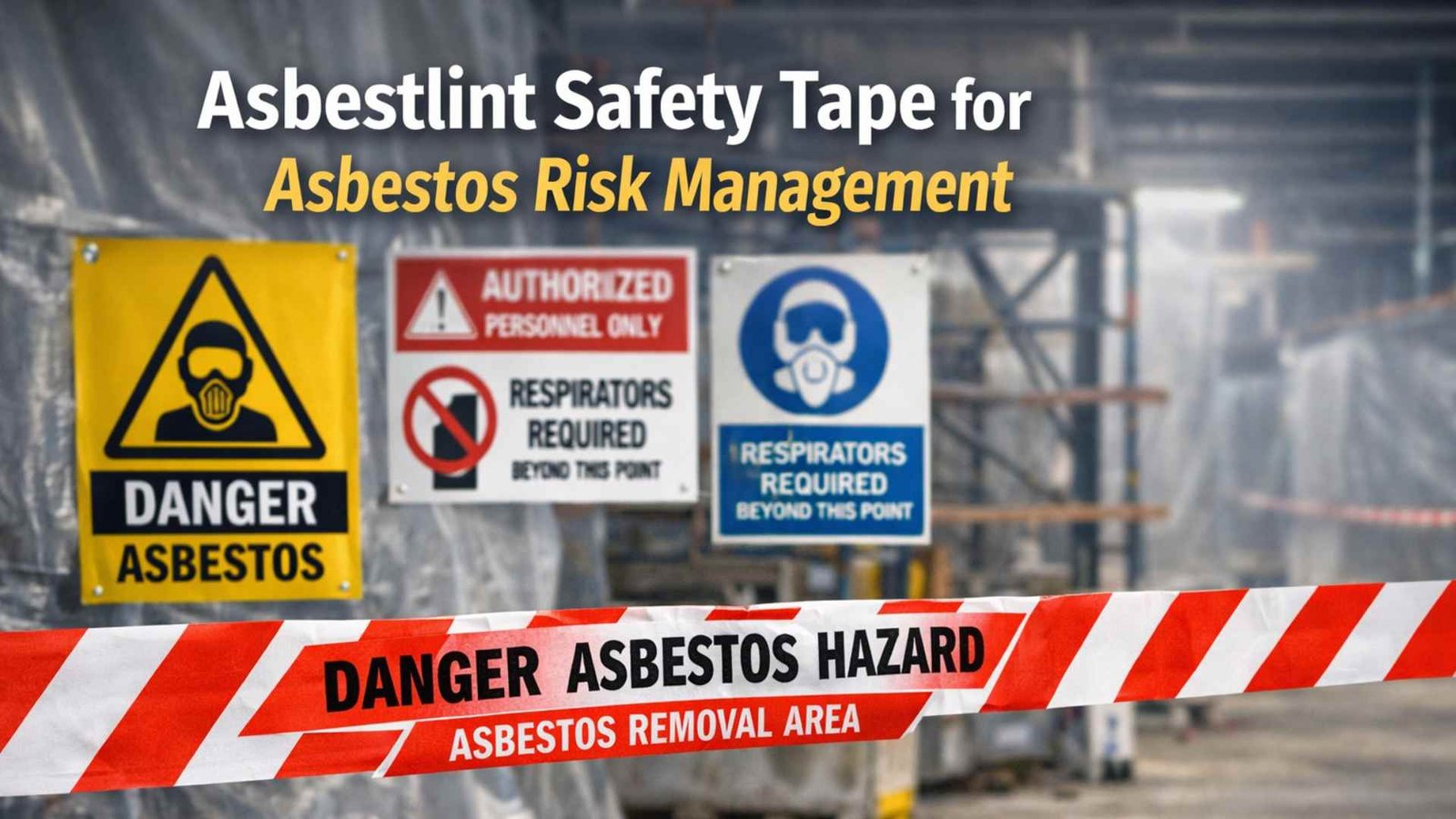
In industries like construction, demolition, and maintenance, asbestos remains one of the deadliest occupational risks. Even though its use has been severely restricted, the legacy of asbestos still exists in many older buildings, industrial plants, and historical structures. Asbestlint, commonly known as asbestos warning tape, is not just a visual cue; it is an integral part of modern asbestos safety protocols that saves lives.
Asbestos-related diseases like mesothelioma and asbestosis continue to claim the lives of workers years after exposure, making prevention paramount. Asbestlint helps mitigate these risks by marking off dangerous zones, preventing accidental exposure to toxic fibers. This article delves into the vital role of asbestlint, exploring its history, its types, best practices, and the consequences of ignoring its presence.
What Is Asbestlint?
Asbestlint is a modern safety tape designed specifically to warn individuals about the presence of potential asbestos risks. Unlike older asbestos-based products, which were made with asbestos fibers for insulation and sealing purposes, asbestlint is free from any harmful materials. It serves as a visual alert to help prevent the disturbance of asbestos-containing materials and the accidental release of harmful fibers into the air.
Historically, asbestos was used in various industries, valued for its heat resistance, insulation properties, and durability. However, after serious health risks became apparent, asbestos products were phased out. Asbestos-based insulation tapes, which were once commonly used, are now banned due to their toxicity. Asbestlint was introduced to replace these hazardous products, offering a non-toxic and effective way to alert workers about the potential presence of asbestos.
Asbestos Tape (Legacy Material)
Asbestos-based tapes were widely used in the past for insulation and heat resistance. These tapes were made from asbestos fibers, which are now recognized as highly dangerous. Over time, these materials were phased out due to the clear link between asbestos exposure and respiratory diseases.
Asbestlint (Modern Warning Tape)
In contrast, asbestlint is non-hazardous and is specifically designed to warn workers about the potential presence of asbestos in a given area. It does not contain any harmful fibers, making it a safe and effective alternative to older asbestos-based tapes.
This transition from dangerous legacy materials to modern non-asbestos safety controls is a significant advancement in workplace safety.
Why Asbestlint Is Essential in Preventing Asbestos Exposure
Asbestos exposure has been linked to various deadly diseases, including mesothelioma, lung cancer, and asbestosis. These diseases often have long latency periods, meaning the symptoms may not appear until decades later. The primary purpose of asbestlint is to prevent accidental exposure before it occurs by marking off high-risk zones. By clearly defining areas where asbestos may be present, asbestlint forces workers to stop, assess, and follow proper safety protocols before entering these zones.
Asbestos fibers are microscopic, making them invisible to the naked eye. Once these fibers are disturbed, they become airborne and can easily be inhaled, leading to long-term respiratory problems and fatal diseases. Asbestlint acts as an early warning system, providing a visual alert to prevent accidental disturbance and exposure. This is critical in environments where asbestos-containing materials remain in place and where disturbance during renovation or demolition can release harmful fibers.
Behavioral Interruption
The sight of asbestlint causes workers to stop and assess the area, reducing the risk of accidental disturbance. This behavioral interruption is one of the most effective safety controls available, as it ensures workers think before entering areas that may contain asbestos.
Immediate Visual Awareness
Brightly colored tape ensures workers recognize potential asbestos hazards at first glance. The visibility of asbestlint immediately alerts workers to potential dangers, which is essential in preventing exposure.
Common Environments Where Asbestlint Is Used
Asbestlint is primarily used in environments where asbestos-containing materials are known or suspected to exist. These zones may include older buildings, industrial plants, and construction sites. The tape serves to limit access to areas that could be contaminated with asbestos fibers.
1. Renovation and Demolition of Older Buildings
Buildings constructed before the 1980s are likely to contain asbestos in various forms, including insulation, flooring, ceiling tiles, and roofing. Asbestlint marks these areas to ensure that workers do not disturb materials that could release harmful fibers into the air.
2. Industrial Facilities with Legacy Asbestos Insulation
Many older industrial plants still have asbestos-based insulation in pipes, boilers, and equipment. Asbestlint helps clearly demarcate these hazardous areas and restrict access to ensure worker safety.
3. Mechanical Rooms and Ceiling Voids
These hard-to-reach areas in older buildings often contain hidden asbestos materials. Asbestlint marks these areas, signaling workers to avoid disturbing the materials or to wear appropriate protective gear.
4. Asbestos Surveys and Abatement Zones
Asbestlint is also essential during asbestos surveys and abatement projects. These activities require the safe removal of asbestos-containing materials. Asbestlint is used to isolate the work zone and prevent unauthorized access during removal or inspection activities.
Table: Common Areas for Asbestlint Use
| Location | Purpose |
|---|---|
| Renovation/Demolition Sites | To mark areas with potential asbestos risks in older buildings. |
| Industrial Plants | To prevent disturbance of legacy asbestos insulation materials. |
| Mechanical Rooms | To signal hidden asbestos risks in confined spaces. |
| Asbestos Surveys/Abatement | To restrict access during asbestos removal or inspection activities. |
Types of Asbestlint and Their Functions
There are several types of asbestlint, each designed for specific operational needs. Understanding the different types ensures that the right kind of asbestlint is used in appropriate environments, ensuring effective protection.
1. Visual Warning Asbestlint
- Description: This type of asbestlint is typically bright yellow, red, or striped, making it immediately visible in environments where asbestos risk exists. It serves as a warning to workers that they may be entering a zone where asbestos-containing materials are present. The primary function of this tape is to alert workers quickly and effectively to potential hazards.
2. Barrier Asbestlint
- Description: Barrier asbestlint is stronger and more durable than visual warning tape. It is used to create physical boundaries around areas where asbestos is present, preventing unauthorized workers from entering. This type of asbestlint is typically used during asbestos abatement or demolition projects to keep workers out of hazardous zones.
3. Temporary Control Asbestlint
- Description: Temporary control asbestlint is used during short-term operations, such as asbestos surveys or inspections. It is not meant to be a permanent fixture, but it is essential for marking temporary zones where asbestos may be disturbed.
Table: Breakdown of Asbestlint Types and Their Uses
| Type of Asbestlint | Description | Main Function |
|---|---|---|
| Visual Warning Asbestlint | Brightly colored tape used for immediate hazard identification. | Alerts workers to the potential presence of asbestos. |
| Barrier Asbestlint | Strong, durable tape used to physically isolate contaminated areas. | Prevents unauthorized entry into hazardous zones. |
| Temporary Control Asbestlint | Short-term tape used for brief tasks like surveys or inspections. | Limits exposure during short-term operations or sampling. |
Why Asbestlint Works: The Psychology of Safety Compliance
Asbestlint is more than just a physical barrier; it works due to the psychological effect it has on workers. Humans naturally respond to visual cues, especially those that signify danger or risk. When workers encounter asbestlint, they immediately recognize the potential hazard and take the necessary precautions.
Behavioral Impact of Asbestlint
- Immediate Recognition: Asbestlint’s bright colors or distinct patterns force workers to stop and think about potential asbestos hazards.
- Reducing Cognitive Load: Asbestlint eliminates the need for workers to rely on memory or training under high-pressure situations.
- Promoting Compliance: The visual signal encourages workers to comply with safety protocols, even when distracted by other tasks.
By forcing a moment of pause, asbestlint significantly reduces the chances of exposure by interrupting the normal work flow.
Consequences of Ignoring Asbestlint
Disregarding asbestlint is not only dangerous but also illegal. When workers bypass asbestlint, they risk disturbing asbestos-containing materials, which can release harmful fibers into the air. Ignoring this warning can have severe health consequences for workers and legal repercussions for employers.
Health Risks
- Exposure to asbestos fibers can lead to deadly diseases like mesothelioma and lung cancer, often with symptoms that appear decades after the initial exposure.
- Even minimal exposure to asbestos can increase the risk of developing life-threatening diseases later in life.
Legal Implications
- Employers who fail to ensure the proper use of asbestlint may be subject to legal action, fines, or criminal charges.
- Failure to comply with safety regulations can result in costly lawsuits, damage to reputation, and a loss of credibility in the industry.
Secondary Contamination
- Workers who step over or ignore asbestlint may inadvertently spread asbestos fibers to other areas, putting additional people at risk.
Table: Consequences of Ignoring Asbestlint
| Risk | Impact |
|---|---|
| Health Hazards | Disturbing asbestos fibers can lead to fatal diseases, including cancer. |
| Legal Liabilities | Non-compliance can result in lawsuits, fines, and criminal penalties. |
| Secondary Contamination | Spread of dangerous fibers to other areas, affecting others. |
Best Practices for Installing and Maintaining Asbestlint
To ensure asbestlint remains effective, it is crucial that it is installed correctly and regularly maintained. This ensures the continued safety of workers and the compliance of the organization with safety standards.
1. Installation Best Practices
- Install Before Work Begins: Asbestlint should be placed before any work starts in areas where asbestos may be present. This ensures that the risks are immediately visible.
- Position at Eye Level: Install asbestlint where it is easily visible to all personnel, particularly at entry points or in high-traffic areas.
- Use in Conjunction with Signage: Asbestlint should be used alongside clear signage that provides additional context and explains the hazard.
2. Regular Maintenance
- Routine Checks: Regularly inspect asbestlint to ensure it’s intact and visible. Replace any torn, faded, or missing tape immediately.
- Treat Damaged Tape as a Safety Failure: If asbestlint is damaged or missing, treat it as a critical safety issue and take immediate action to replace it.
3. Educate and Train Workers
- Ensure all workers are aware of the importance of asbestlint and understand the risks of ignoring it. Safety training should include how to recognize and respond to asbestlint.
Conclusion
Asbestlint is not just a piece of warning tape; it is a critical safety measure that plays a vital role in protecting workers from the dangers of asbestos exposure. By ensuring the proper installation, maintenance, and use of asbestlint, organizations can prevent catastrophic health effects, comply with safety regulations, and create a safer working environment.
Disregarding asbestlint is not a minor oversight; it is a serious breach of safety protocols that can result in long-term health consequences, legal repercussions, and financial loss. Asbestos remains a hidden danger, but asbestlint offers a visible boundary that ensures safety and health protection.
FAQs About Asbestlint
Q. Does Asbestlint contain asbestos?
No, asbestlint is made from non-asbestos materials and is safe to handle.
Q. What does Asbestlint indicate?
Asbestlint marks areas where asbestos may be present or disturbed, signaling the need for strict safety controls.
Q. Can workers cross Asbestlint barriers?
Workers can only cross asbestlint barriers with proper authorization, training, and protective equipment in place.
Q. Is Asbestlint legally required?
Yes, in many regions, especially during asbestos surveys, removal, and renovation work, asbestlint is required by law.
Q. What should you do if Asbestlint is damaged or missing?
Stop work immediately and report the issue. Damaged or missing tape must be replaced as it compromises safety.
Disclaimer
The information in this article is intended for educational purposes only and should not be construed as professional or medical advice. Asbestos exposure can cause severe health risks, and safety measures should always be followed. If you’re handling materials that may contain asbestos, it’s essential to consult with a qualified professional or safety expert. Always adhere to local regulations and guidelines to ensure a safe working environment. The use of asbestlint is vital in preventing accidental exposure, but it should be used as part of a broader asbestos management plan.