Beliktal: A Rare Example of Human–Nature Balance
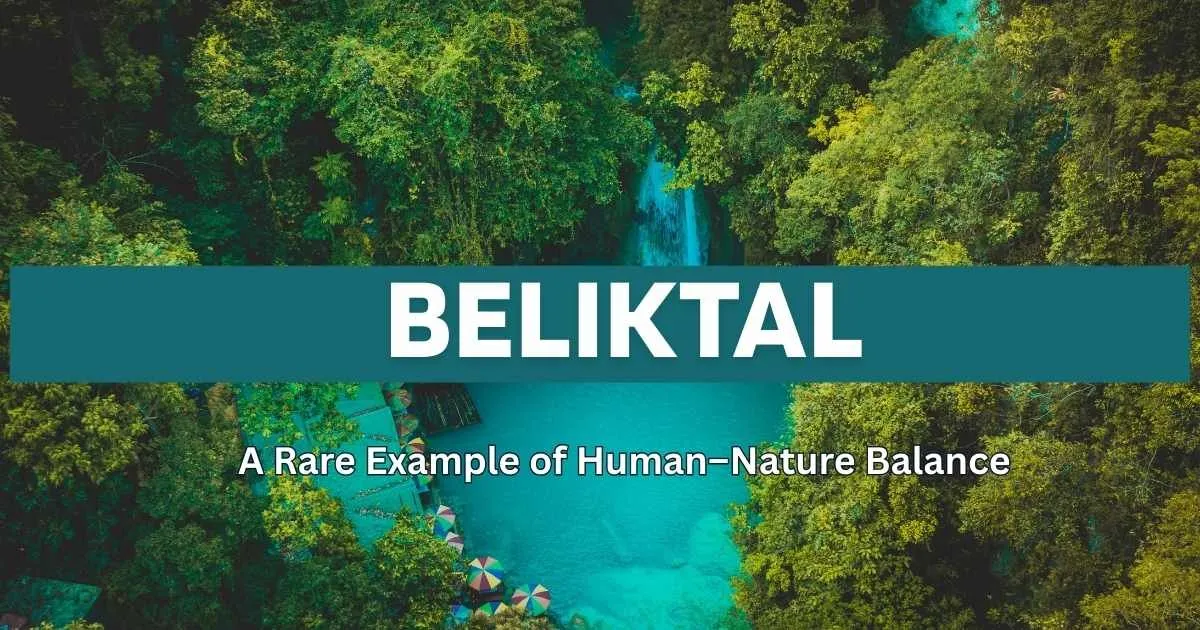
Beliktal stands apart from most geographical locations because it has not been reshaped to fit modern expectations. Instead of adapting itself to tourism, industry, or expansion, Beliktal has remained faithful to its natural rhythm. This quiet resistance to change has allowed it to preserve ecological balance, cultural memory, and historical continuity—qualities that are increasingly rare in the modern world.
Beliktal is best understood not as a destination, but as a functioning landscape where nature and human presence coexist without dominance.
Discover articles packed with insights that will help you stay ahead—start reading today.
Spatial Isolation and Natural Order
Beliktal’s most defining feature is its physical separation from large population centers. This isolation is not accidental; it is a result of surrounding mountains, uneven terrain, and limited access routes. These natural barriers have acted as long-term protectors, preventing excessive settlement and environmental disruption.
The land follows its own logic. Rivers flow according to elevation, forests grow where soil and moisture allow, and human movement aligns with natural pathways. Rather than forcing order upon the land, inhabitants historically learned to read and follow it.
Climate, Time, and Environmental Rhythm
In Beliktal, climate is not merely a background condition—it actively shapes life. Seasonal cycles regulate agriculture, movement, and social activity. Winters slow human interaction and encourage conservation of resources. Summers allow mobility, repair, and exploration. Transitional seasons create balance.
This rhythm has produced an environment where nothing is rushed. Time is measured through natural signals such as sunlight, snowfall, and vegetation change rather than artificial schedules. This relationship with time has influenced both survival strategies and cultural mindset.
Historical Continuity Without Written Records
Unlike urban civilizations that relied heavily on written documentation, Beliktal’s history is preserved physically and orally. Stone foundations, tool remnants, and sacred spaces offer evidence of long-term human settlement. These structures were designed for durability and environmental compatibility, not display.
What is most notable is the absence of aggressive expansion. Settlements remained limited in size, suggesting a conscious understanding of environmental limits. This historical restraint is a key reason Beliktal remains intact today.
Landscape as Experience, Not Resource
In many regions, land is viewed primarily as a resource to be extracted or developed. In Beliktal, land functions as an experience. Valleys are not measured by economic output, but by movement and visibility. Forests are not reduced to timber value, but respected as protective systems.
This perspective changes how individuals interact with space. Walking becomes observation, rest becomes reflection, and silence becomes meaningful rather than empty.
Ecological Intelligence and Natural Balance
Beliktal demonstrates what can be described as ecological intelligence—a system where every element exists in proportion. Vegetation prevents erosion, wildlife controls biological cycles, and water sources regulate temperature and fertility.
There is no visible excess or depletion. The ecosystem survives not because it is untouched, but because it is uninterrupted. This distinction is crucial: Beliktal is not frozen in time, but allowed to function naturally.
Human Interaction: Presence Without Pressure
Human activity in Beliktal has historically been minimal and deliberate. Paths follow animal routes, shelters blend into terrain, and resource use remains seasonal. This has prevented permanent damage and allowed recovery after use.
Modern visitors often describe a shift in behavior here—voices lower, movement slows, and attention sharpens. This behavioral change suggests that the environment itself encourages restraint.
Cultural Identity Rooted in Place
Culture in Beliktal is inseparable from geography. Traditions, social norms, and spiritual practices reflect environmental realities rather than abstract beliefs. Sacred locations are chosen for their natural position—near water, height, or shelter—rather than architectural grandeur.
Knowledge is transmitted through participation: farming cycles, seasonal preparation, and communal responsibility. This ensures continuity without formal institutions.
Access Limitation as a Preservation Strategy
Beliktal’s difficulty of access functions as an unintentional but effective conservation system. Reaching the region requires effort, planning, and local cooperation. As a result, visitors tend to be intentional rather than casual.
This natural filtering reduces environmental stress and ensures that interaction with the region remains respectful and limited in scale.
Seasonal Interpretation of Space
Each season in Beliktal reshapes not only the landscape but also its meaning:
- Spring emphasizes recovery and renewal
- Summer represents openness and movement
- Autumn highlights balance and preparation
- Winter enforces stillness and conservation
There is no single narrative of Beliktal—only seasonal interpretations of the same space.
Minimal Infrastructure, Maximum Integrity
Accommodation and facilities in Beliktal exist to support presence, not expansion. Structures are small, locally managed, and environmentally integrated. Economic benefit remains within the community, reinforcing sustainability rather than dependency.
Development here is measured by preservation, not growth.
Beliktal as a Contemporary Lesson
In a global context, Beliktal offers an alternative model of progress. It challenges the assumption that development must involve expansion, visibility, or constant change. Instead, it demonstrates that endurance, balance, and restraint can be equally valuable outcomes.
FAQs
What makes Beliktal different from other remote regions?
Its long-term balance between human presence and natural systems remains intact.
Is Beliktal relevant beyond tourism?
Yes. It serves as a valuable reference for sustainability, anthropology, and environmental studies.
Does Beliktal face threats from modernization?
Potentially, but limited access and community awareness help reduce risk.
Who benefits most from visiting Beliktal?
Those seeking understanding, reflection, and meaningful engagement rather than entertainment.
What does Beliktal symbolize today?
The possibility of coexistence without overuse.
Final
Beliktal does not attempt to impress. It does not compete for attention or adapt to trends. Its strength lies in continuity—quiet, balanced, and deliberate. In preserving what it is, Beliktal offers something increasingly rare: a reminder that progress does not always require change.
Explore content that speaks to you—find personalized advice and strategies for success.